
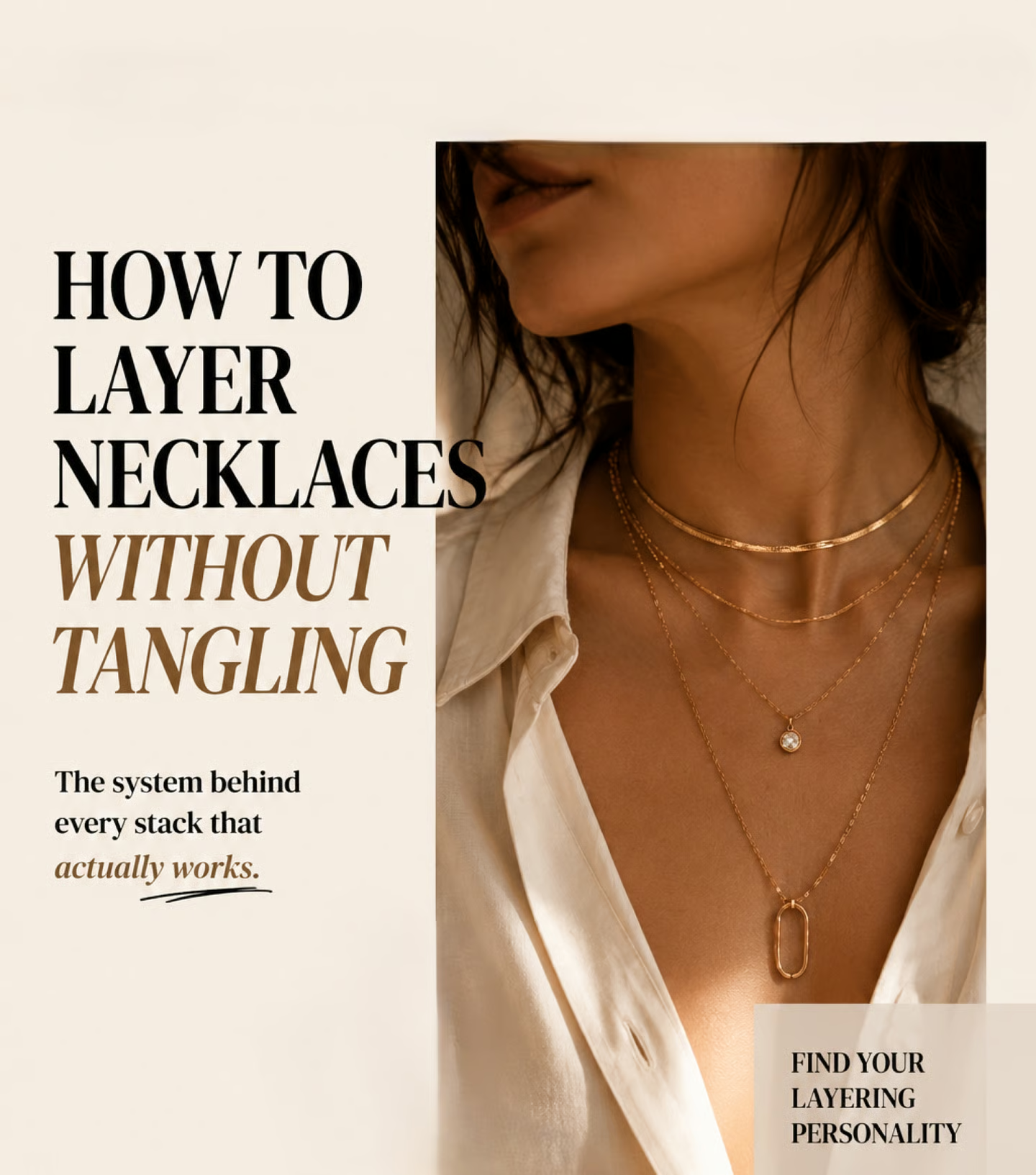
You’ve seen it before: three necklaces sitting perfectly at different lengths, with none of them fighting for space. The whole stack looks effortless.
Then you try it yourself, and somehow the chains end up tangled, the pendant disappears into the middle, and the whole thing feels more complicated than it should.
The good news? You don’t need a huge jewelry collection to get it right. In this guide to layering necklaces, you’ll learn how to choose the right lengths, mix chain types, build simple stacks, and match them to different necklines without ending up with a tangled mess.
Why Your Necklaces Keep Tangling (And How to Stop It)
The frustrating part about layering necklaces is that the problem usually isn’t your jewelry. It’s the way the chains sit together.
When two necklaces fall at nearly the same length, they move through the same space as you walk, turn, or reach for something. Chains catch on each other, pendants get tangled, and what looked neat in the mirror can become a mess by lunchtime.
The easiest fix is to give each necklace its own space. When the lengths are clearly separated, the chains have less chance of catching on each other, and the whole stack feels much easier to wear.
The 3-Length Rule for Layering Necklaces
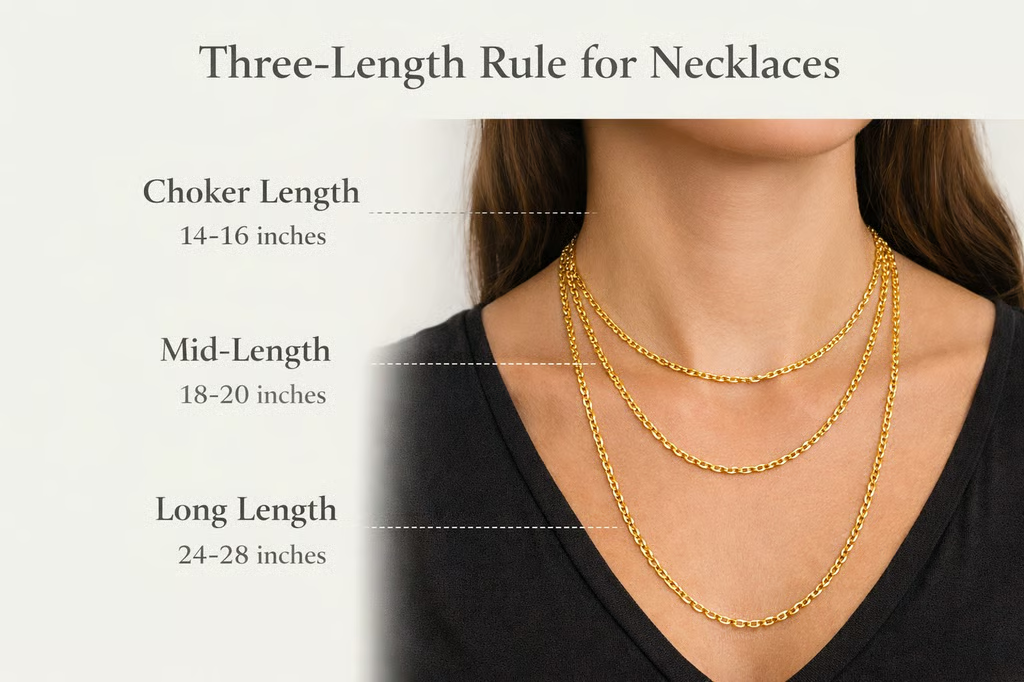
Start with three clearly separated lengths: one close to the collarbone, one around the center of the chest, and one that falls lower. The exact measurements matter less than leaving enough space between them.
Layer 1: The Choker or Collar (14–16 inches)
This layer sits at or just above the collarbone and acts as the foundation of your stack. A simple dainty gold necklace or thin chain works well here. Keep this layer relatively light, especially if your middle or bottom necklace has a pendant or heavier chain.
Layer 2: The Mid Layer (18–20 inches)
This is where your pendant necklace lives. A small symbol, a stone, an initial, or anything with a focal point works well. Since this layer sits near the center of your chest, it’s usually the natural focal point of the stack.
Layer 3: The Long Layer (24–28 inches)
The longest layer gives the stack visual weight. Try a longer chain, layered silver necklace, or bold gold layered necklace set here, especially when the upper two pieces are delicate.
How to Build a 3-Necklace Stack in 30 Seconds
If you’re unsure where to start, choose one 16-inch chain, one 18–20-inch pendant necklace, and one 24-inch chain. Put them on in that order and adjust the spacing until each piece sits in its own area without overlapping.
You don’t need three dramatically different styles. The separation between the lengths does most of the work.
Chain Types That Work Well Together
While length helps prevent tangling, chain type also makes a difference when you’re layering necklaces. The right combination can make the stack feel balanced without every piece competing for attention.
1. Thin Chains Layer Cleanly
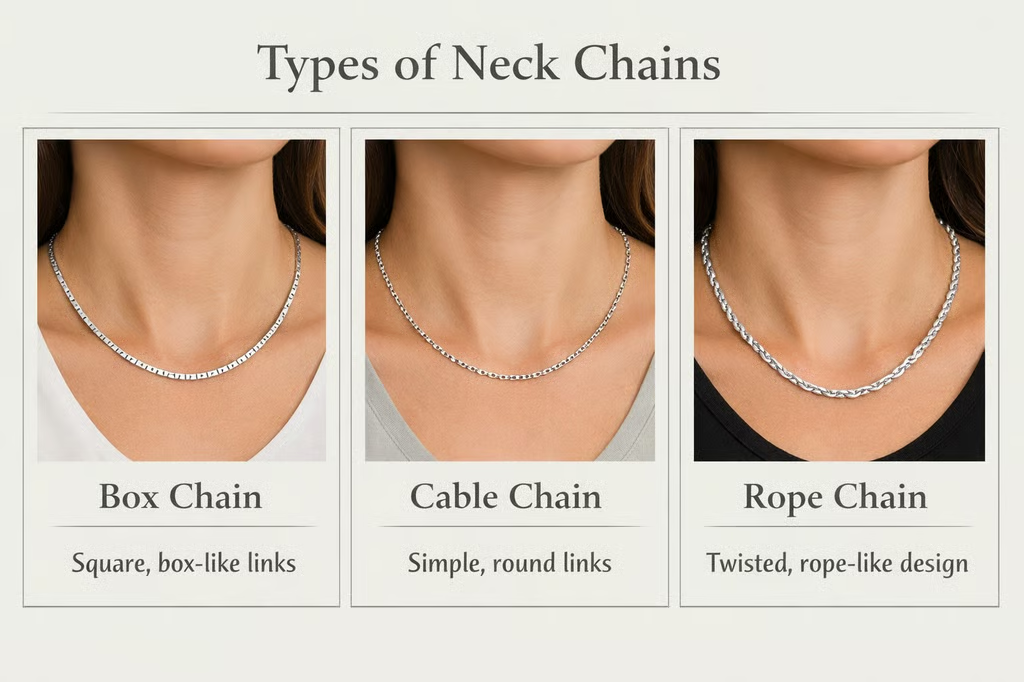
Box chains, cable chains, and fine rope chains stay relatively flat and are less likely to catch on other pieces. They also let pendants and charms remain the focus.
If your necklaces are all similar chains, that’s fine. Different textures add contrast, but spacing still matters more for preventing tangling.
2. Chunky Chains Need More Space
Chunky chains generally need more room to work well in a layered stack. A thick paperclip chain or bold link can crowd everything around it, especially in the middle of the stack.
If you want to use one, the longest layer is usually the easiest place to put it. It gives the heavier chain room to stand on its own.
3. Mixed Metals Are Fine
A dainty gold necklace at the top and a layered silver necklace in the middle can work beautifully. What matters more is the weight and scale of the pieces than having every metal match.
A delicate gold chain paired with a very heavy silver piece can feel unbalanced, while similar proportions can make mixed metals look deliberate.
4. Put Large Charms on the Longest Layer
One practical tip for charm necklace layering is to place a large charm on the longest layer. A big charm in the middle can catch on the chains above it and make the stack feel crowded.
Giving the charm more space usually makes the entire combination easier to wear.
4 Necklace Stacks to Try
| Stack | Pieces | Best With |
|---|---|---|
| The Minimal Stack | Dainty gold necklace + pendant necklace | White shirts, blazers, and simple dresses |
| The Boho Stack | Beaded necklace + coin pendant or natural stone chain | Linen shirts, relaxed dresses, and oversized tees |
| The Statement Stack | Thin choker + charm necklace + bold layered chain | Simple necklines and minimal outfits |
| The Everyday Stack | Plain chain + simple pendant | Almost any everyday outfit |
Here’s how each stack comes together and when it works best.
The Minimal Stack
The Minimal Stack combines a plain dainty gold necklace at choker length with a thin pendant necklace at 20 inches. With just two pieces, it pairs easily with a white shirt, a blazer, or a simple dress.
A simple necklace stack often looks more polished than multiple trend-driven pieces, a principle that also applies when learning how to look expensive on a budget.

The Boho Stack
Beaded necklaces at mid-length paired with a longer coin pendant or natural stone chain create a stack with texture and depth. The contrast between the beads and metal keeps the combination interesting.
If you’re looking for beaded necklace outfit ideas, this combination pairs especially well with linen shirts, relaxed dresses, and oversized tees.

The Statement Stack
A thin choker paired with a charm necklace at 18 inches and a bold layered chain at 24 inches creates a stack that takes up space intentionally.
Charm necklace layering works best when the charm has room to stand out. Keep the neckline simple so the necklaces remain the focal point.
The Everyday Stack
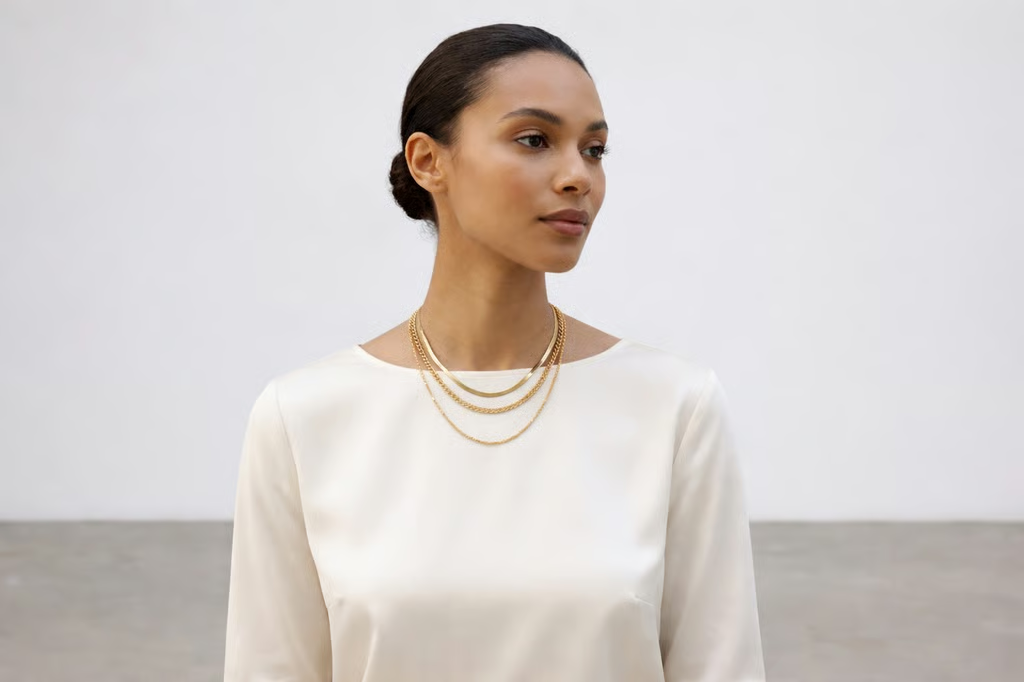
A plain chain at choker length paired with a simple pendant creates an easy everyday stack. This gold layered necklace set combination works with almost any outfit and requires very little thought to style.

5 Necklace Pieces Worth Adding to Your Collection
If you’re building a stack from scratch, start with the first three pieces. The last two are optional additions if you want more texture or statement detail.
1. A Plain, Dainty Gold Chain (16 Inches)
This is the foundation of most necklace combinations and works well on its own or as part of a layered stack.

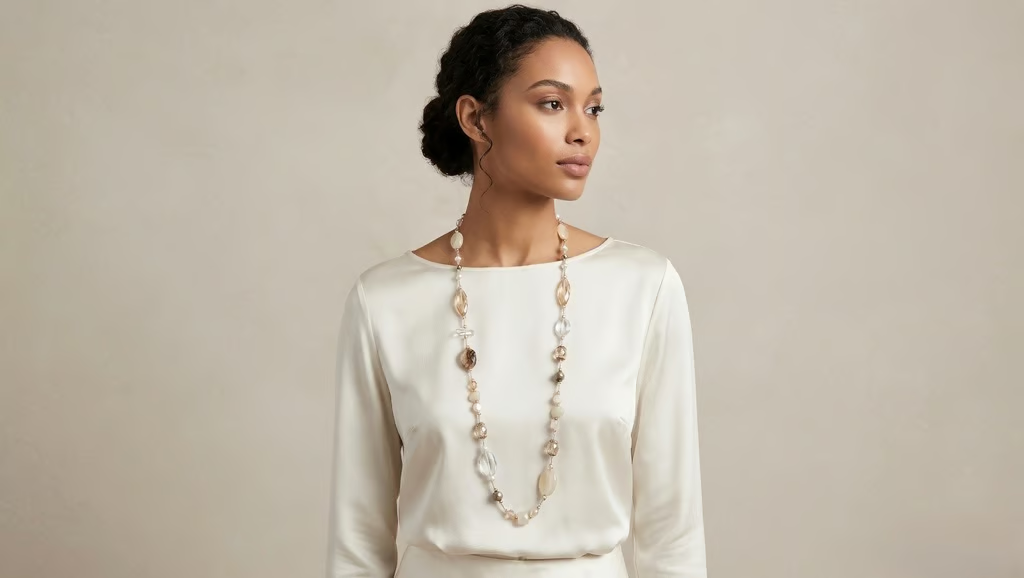
2. Beaded Necklaces in Natural Tones
These add texture without feeling heavy and work particularly well in both boho and everyday combinations.
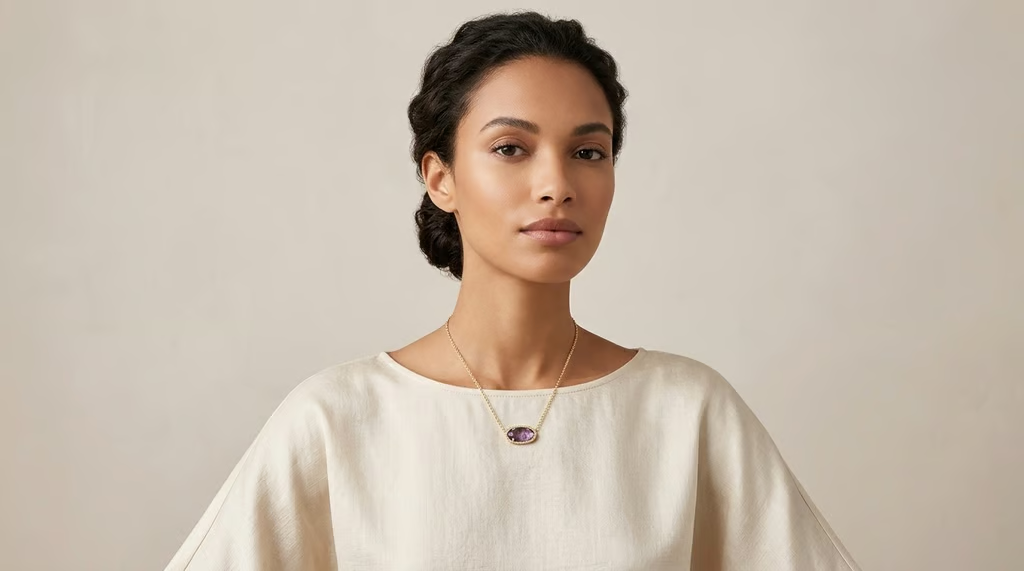
3. A Simple Pendant Necklace (18–20 Inches)
This is the piece you’ll likely reach for most often. Choose a pendant you genuinely love, whether that’s a small stone, an initial, or a meaningful symbol.
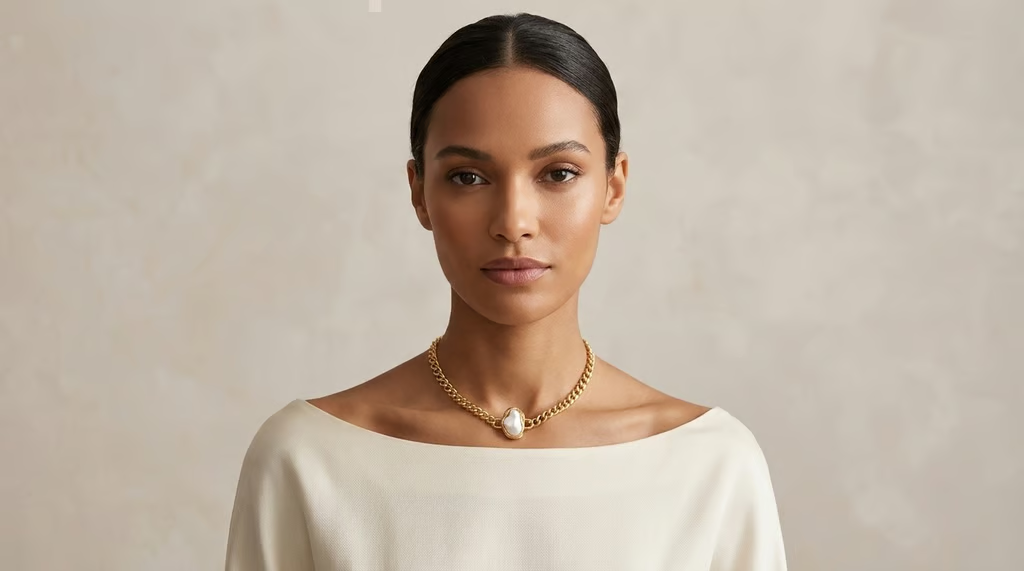
4. A Chunky Gold Chain
This adds contrast and structure to a layered stack while also working well as a standalone statement piece. It’s more of an optional addition than a starting essential, especially if you prefer delicate jewelry.
5. A Charm Necklace
Charm necklace layering tends to work best when the focus stays on one meaningful charm rather than several competing elements.

How to Choose Necklace Lengths for Different Necklines
The same necklace stack can look completely different depending on what you’re wearing. When layering necklaces, your neckline matters almost as much as the lengths you choose.
A small collection of versatile basics also makes accessories easier to style, which is why the same principle applies to minimalist wardrobe essentials.
Necklace Lengths for a V-Neck
A 20-inch pendant follows the V-shape naturally, while a choker fills the space above it. With two clearly separated lengths, the stack stays defined instead of bunching around the neckline.
Necklace Lengths for a Crew Neck
Longer necklaces usually work best with a crew neck because a 24-inch chain clears the neckline and gives the stack more room. If you add a choker, keep the rest of the combination simple so the area around the neckline doesn’t feel crowded.
Layered necklaces can also add personality to blazers, knitwear, and office basics without making a work wardrobe feel repetitive.
What to Wear with an Off-Shoulder Neckline
Shorter necklaces tend to work best with off-shoulder necklines. A choker or collar necklace sits above the neckline and becomes the focal point of the stack.
This is where cute necklaces for women, especially delicate chains and collar necklaces, tend to stand out the most.
The Easiest Necklace Stack for a Scoop Neck
Scoop necklines are often the most forgiving option for stacked necklaces. The 3-length rule works particularly well here because you can start with a choker and build downward.
The open neckline also gives each layer enough visual space without making the stack feel crowded.
FAQ
How many necklaces should you layer at once?
Three is the sweet spot for most stacks: one choker, one mid-length pendant, and one longer chain. Each has its own zone, which keeps the combination defined.
You can wear more than three, but the pieces need enough variation in length and scale to keep the stack from becoming visually crowded.
How do you keep layered necklaces from tangling?
Use clearly separated lengths so the chains don’t occupy the same space. The 3-length rule works well: 14–16 inches, 18–20 inches, and 24–28 inches.
Thin chains can also help reduce catching and tangling.
What is the best chain type for layering?
Thin chains, box chains, cable chains, or fine rope layers are usually the easiest to work with. They stay relatively flat and let pendants do the work.
Save chunky chains for the bottom layer when you want to add more weight or contrast.
Can you mix gold and silver necklaces?
Yes, what matters is that the weight and scale of the pieces balance each other. They don’t need to match perfectly.
What is the best necklace to start a layered stack?
A plain, dainty gold chain at 16 inches is a practical starting point. It works as the base of many combinations and can also be worn on its own. [→ Shop on Amazon]
Do layered necklaces work with all necklines?
Yes, but the combination changes. A V-neck works well with a pendant at mid-length. Crew necks usually give longer chains more room. Off-shoulder necklines can make a choker the focal point, while scoop necks are especially easy to layer because they leave more space between the necklace and neckline.