
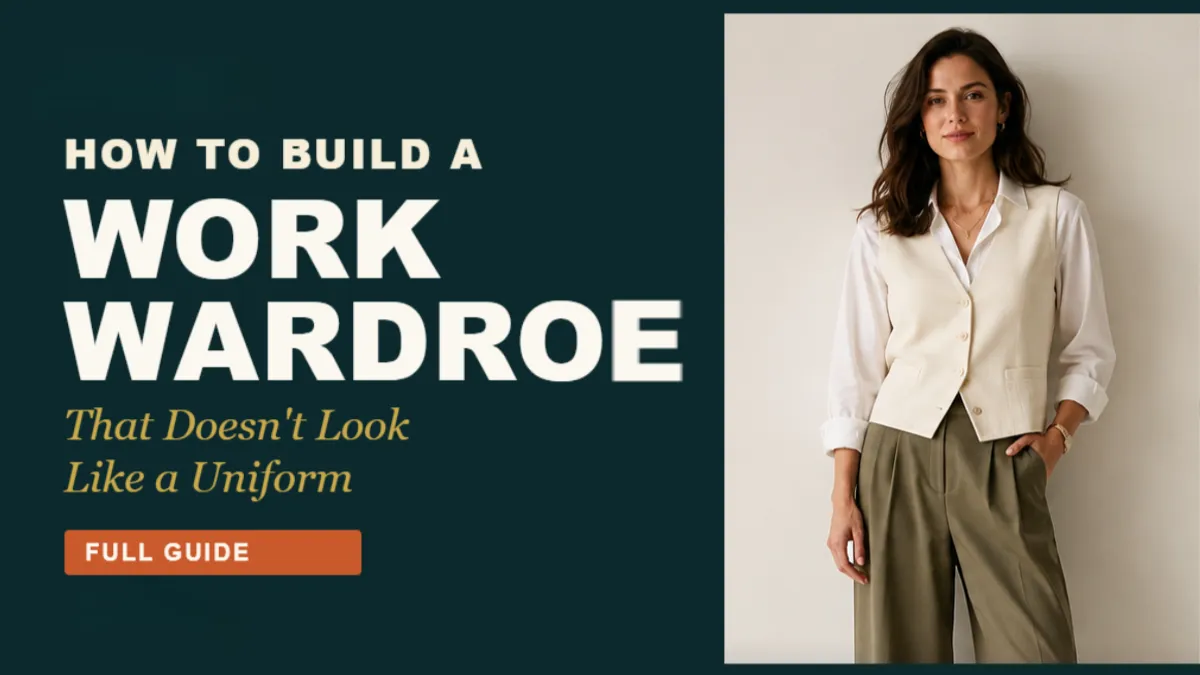
Last Monday, I opened my wardrobe and realized I had four navy blazers, yet still felt like I had nothing to wear to work.
I kept buying similar pieces, thinking each one would fill a gap. Instead, my wardrobe just got fuller without making mornings any easier.
If you’re wondering how to build a work wardrobe without looking like you wear the same outfit every day, this guide will help you:
- ✓ Figure out what you actually need
- ✓ Stop buying pieces that don’t solve a real gap
- ✓ Make the clothes you already own work better together
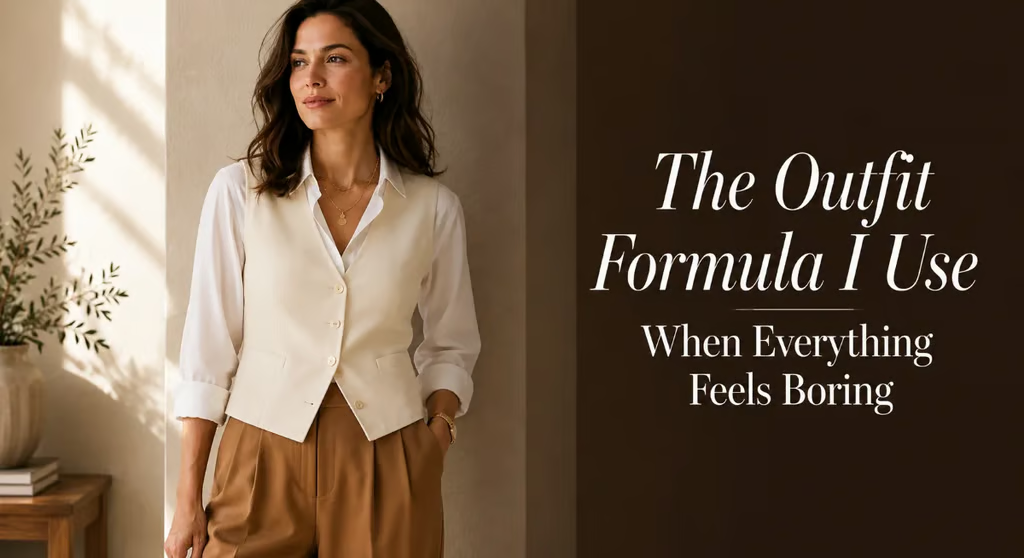
Start with What You Already Own: Office Wardrobe Essentials
Before buying anything, do a 5-minute wardrobe audit.
Pull out every work piece you own and sort them into two piles.
Pile 1: Keep
Pieces you grabbed last week without thinking. They already work.
Pile 2: Exit
Pieces you consistently skip. Set them aside for now.
Create Your Gap List
Write down the 2–3 things that would make your existing pieces easier to wear together.
Only those gaps go on your shopping list.
You may find you are missing the same few things: a second trouser color, a shoe that is not heels or trainers, or a top that actually tucks well.
Only shop for those gaps.
The goal of building a work wardrobe is not to have more options. It is to have fewer decisions at 7 AM.
Workwear Pieces You’ll Actually Use
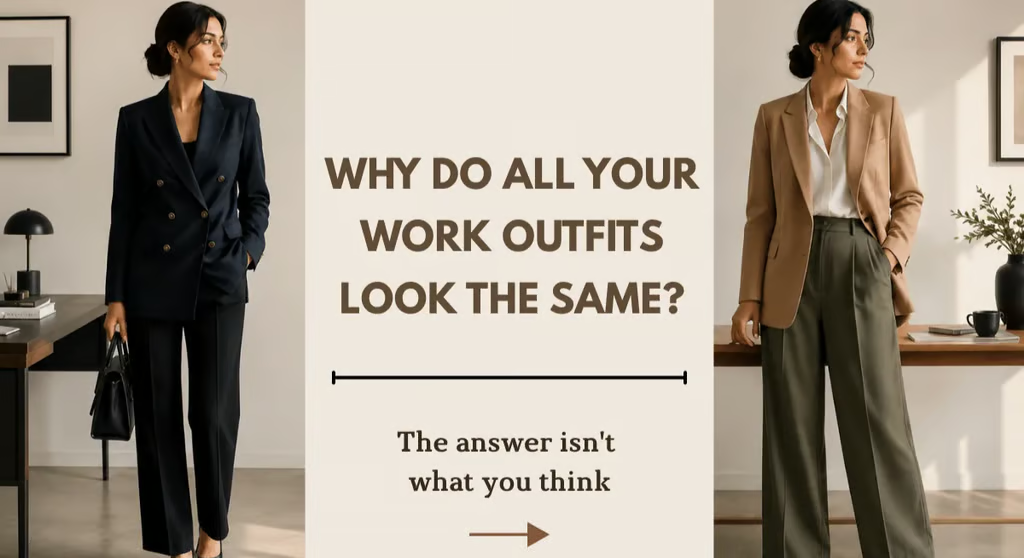
The standard advice is always the same: blazer, white shirt, and tailored trousers. The problem is not that the advice is wrong. It is that it rarely helps you decide what you will actually wear. Work clothes for women are often discussed in terms of what looks professional, with less attention to what feels natural to wear.
A rigid double-breasted navy blazer and a relaxed single-button camel blazer can both be appropriate for work, but they create very different impressions.
Start with your wardrobe staples for work, then ask whether you genuinely enjoy wearing them or simply feel obligated to own them.
Choose the version that passes three tests:
- Dress code: Is it appropriate for your workplace?
- Comfort: Would you happily wear it for several hours?
- Compatibility: Can you pair it with at least three things you already own?
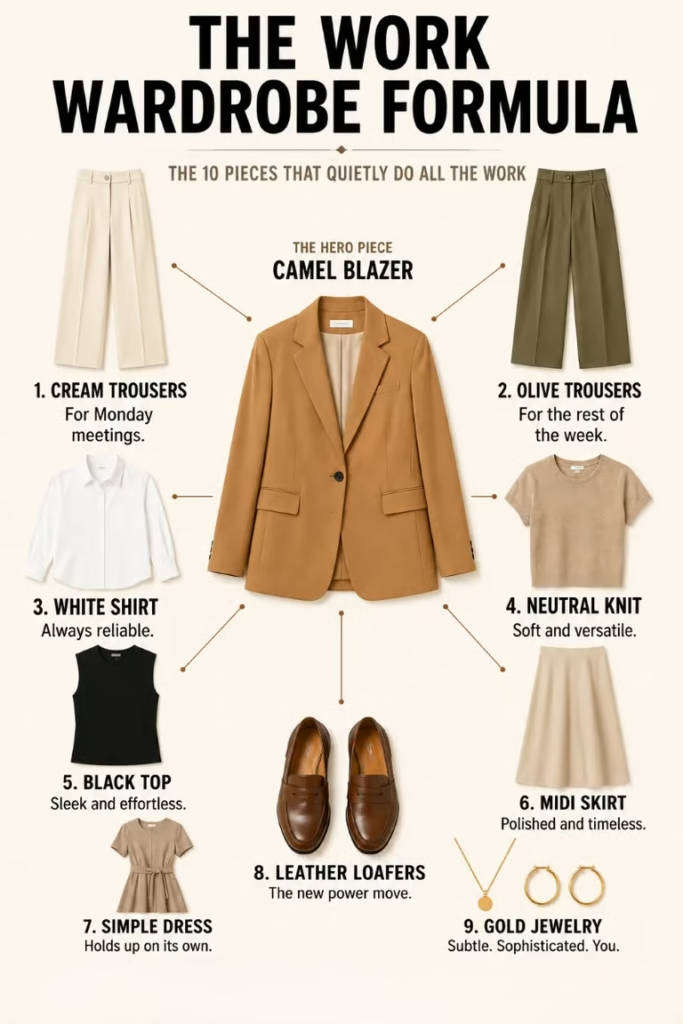
The 10 Pieces That Tend to Earn Their Place Year After Year
If you’re building a work wardrobe that lasts, start with pieces that give you multiple outfit combinations without adding unnecessary complexity.
a. One Blazer in a Non-Black Neutral
Choose camel, slate, or soft brown if you already wear those shades often. They can add variety without forcing you into a completely different color palette.
b. Two Pairs of Wide-Leg Trousers
Keep one reliable neutral and one color that feels distinctly yours. A neutral pair handles meetings and everyday office wear, while the second adds variety without requiring a completely different wardrobe.
c. Three Tops That Tuck Cleanly
Choose one white option for easy outfit combinations, while two in your preferred color palette keep outfits from feeling repetitive.
d. One Midi Skirt and One Dress
Choose pieces that look complete on their own. If a piece only works when a blazer is covering half of it, it is doing less work than it should.
e. A Pair of Loafers
Loafers offer the polished feel many women look for in work shoes, without requiring heels. They are also practical for days when you are on your feet for hours.
These 10 pieces are not a shopping list. They are the foundation of a work capsule wardrobe. Once you have the basics, it becomes easier to put outfits together because each piece works with several others, making getting dressed much easier.
Business Casual Work Outfits That Actually Make Decisions Easy
Business casual women’s dressing has one real problem: it means something different in every office. What feels polished in one workplace may look too casual or too formal in another.
Instead of trying to follow one definition, use outfit formulas that work reliably for your office.
When in doubt, check three things:
- What do people at your workplace already wear?
- Is the piece polished enough for your most formal normal workday?
- Can you style it with a more structured piece, such as a blazer or tailored trousers?
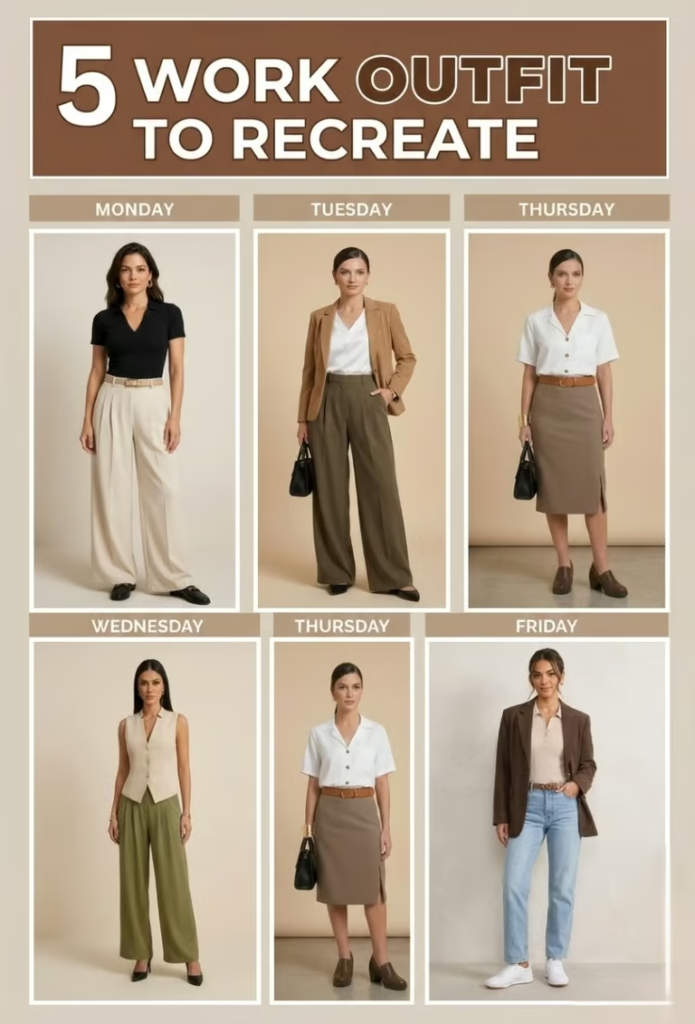
Five Business Casual Work Outfits You Can Wear This Week
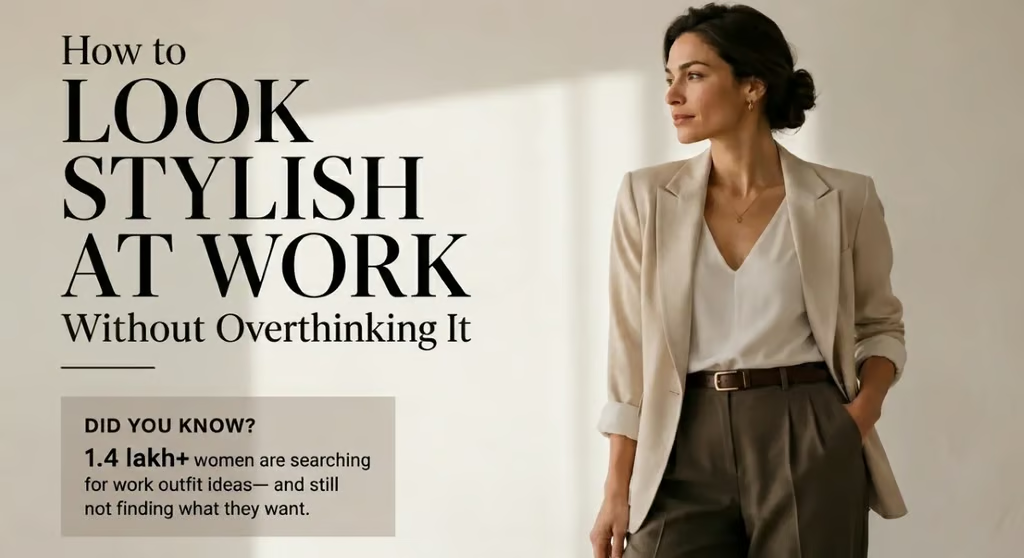
How to Look Stylish at Work Without Overthinking It
“How to look stylish at work” is one of the most searched workwear topics. But looking stylish at work is not about adding more clothes. It is about knowing what to combine and what to leave out.
Three simple rules can make a big difference.
Keep the Silhouette Balanced
If your trousers are wide and relaxed, pair them with a more fitted top or structured layer. If your top has volume, keep the rest of the outfit simple.
Choose One Accessory to Repeat Consistently
Pick one detail you naturally like, such as a watch, belt, layered necklace, or favorite earrings. Repeating it can make your outfits feel more put together without adding more clothes.
Avoid Competing Statement Pieces
A bold trouser, printed blouse, dramatic necklace, and bright shoe can all compete for attention. Pick one focal point and let the rest of the outfit support it.
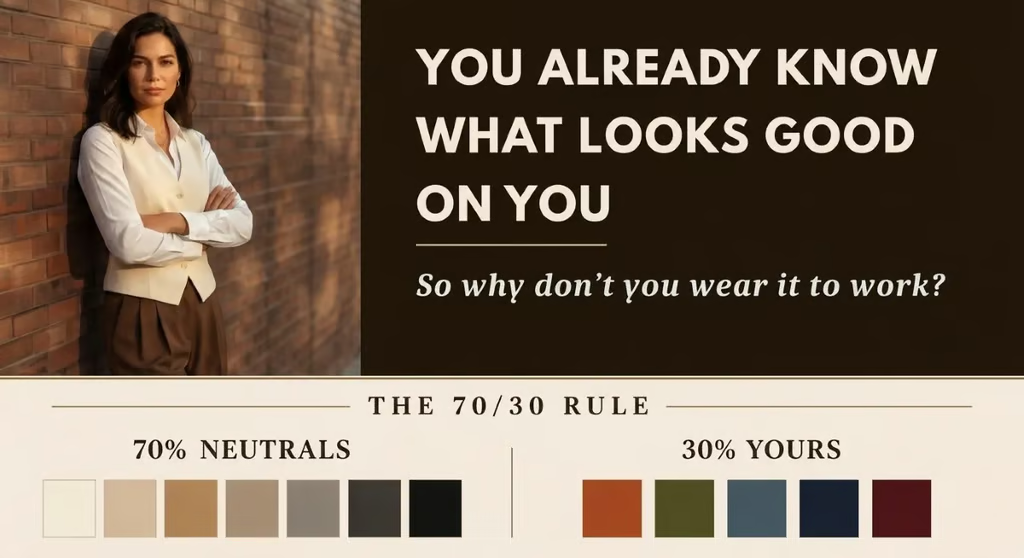
How to Build a Workwear Capsule Wardrobe That Stays Useful?
What makes a workwear piece versatile?
- Works with your dress code: It fits the level of formality your workplace actually requires.
- Works with your wardrobe: You can pair it with several pieces you already own.
- Works for your routine: You feel comfortable wearing it for a full workday.
- Works beyond one outfit: It can be styled for different workdays or occasions without needing a completely new wardrobe.
a. Try a 70/30 starting point
If you want an easy way to keep a work wardrobe cohesive, start with roughly 70% versatile neutrals and 30% color, print, or texture. Adjust that balance based on your workplace and personal style.
b. Use a One-In, One-Out Approach
When a new work piece enters your wardrobe, consider whether an older piece has stopped earning its place. Without regular editing, the wardrobe gradually fills with pieces you rarely reach for, making the useful ones harder to see.
c. The Monday Test: Would You Actually Wear It?
If you would not reach for it on a Monday morning when you are short on time and not feeling particularly creative, it probably does not belong in your regular rotation.
How to dress nice for work is less about following trends and more about having pieces that work well together. When your colors, silhouettes, and go-to pieces are easy to mix and match, getting dressed takes less time.
This is one reason minimalist wardrobe women often seem effortlessly put together. Their wardrobes are built around pieces that work with each other, so everyday outfit decisions become surprisingly simple.
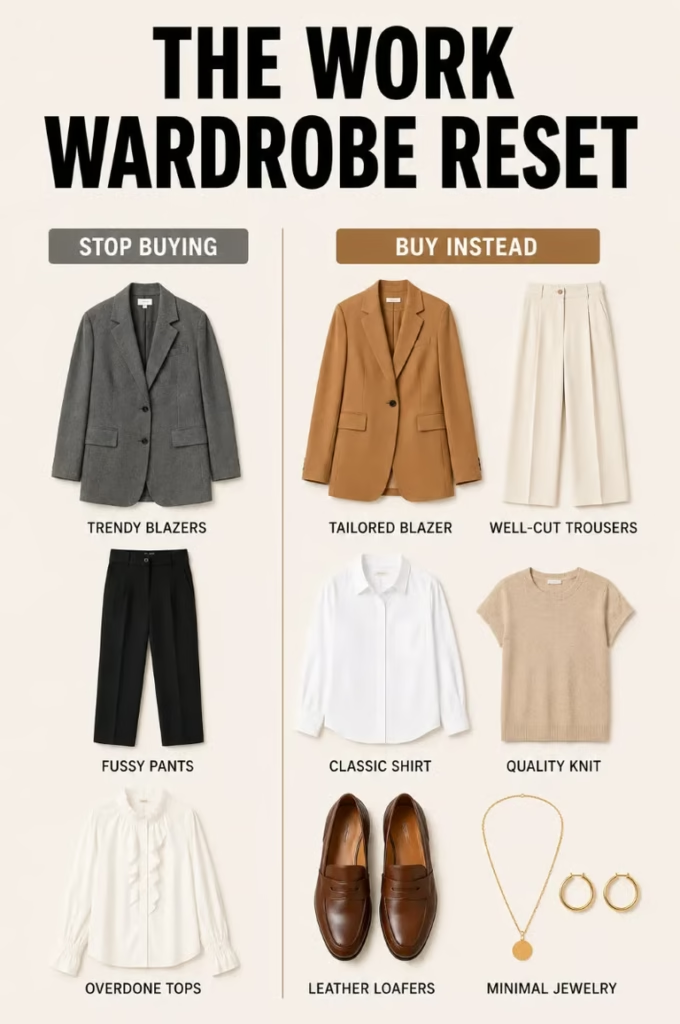
Building Your Wardrobe on a Budget: The Right Sequence
How to build a work wardrobe on a budget is more about buying in the right order than spending more money. When your budget is limited, focus your spending on the pieces that do the most work.
Where to Spend More: Trousers, Blazers, and Shoes
These pieces have a bigger impact on your outfits, so they are worth prioritizing. A well-made pair of trousers, for example, can be a better investment than several cheaper pairs that do not fit or wear well.
Where to Save: Tops and Accessories
Tops and accessories are easier places to save. They also give you more room to add variety and show your personality without spending as much.
If you are building a work wardrobe on a limited budget, buy in this order:
You do not need to buy everything at once. Build the foundation first, see what you actually wear, then fill the gaps. Women’s work wardrobe essentials can be affordable when you add pieces gradually instead of trying to complete your wardrobe in one shopping trip.
A well-fitting affordable blazer can also look better than an expensive one that never feels quite right. For more on this, see our guide on how to look expensive on a budget.
For a work-from-home or hybrid schedule, prioritize pieces that feel comfortable but still look polished on camera.
If you are figuring out how to dress for work in your 20s, start with a few reliable pieces rather than trying to build everything at once. Wear them long enough to see what is actually missing, then add from there.
How to Build a Work Wardrobe That Lasts
Last spring, I took three navy blazers to a clothing swap. One woman picked up the boxy one almost immediately. It had never felt right on me, but it was perfect for her.
That reminded me that a piece is not always a mistake. Sometimes, it simply belongs in someone else’s closet.
The next time you keep skipping something in your wardrobe, pay attention. It may be telling you what does not belong there.
Save this for the next time you’re standing in front of a full wardrobe and thinking you have nothing to wear.
FAQ
How do I build a work wardrobe from scratch?
Start with a wardrobe audit. Pull out what you already own, keep the pieces you actually wear, and identify the two or three gaps that are making work outfits difficult. You do not need to rebuild your entire closet at once. Start with versatile staples such as a reliable trouser, blazer, and work-appropriate shoes, then add pieces only when you know they will solve a real problem.
How many outfits do I actually need for a work capsule wardrobe?
A 10-piece work capsule can create many outfit combinations when the pieces are compatible across categories. The exact number depends on how the items can be combined, so focus on compatibility rather than a fixed outfit count. The goal is not volume; it is compatibility. If you cannot make five complete outfits from what you own right now, that is the real problem to solve.
Can I wear wide-leg pants to a business casual office?
Yes, wide-leg pants for office wear can work very well in a business casual office when the fabric and styling feel polished. Choose a structured pair in wool, crepe, or a quality blend, then balance the volume with a tucked-in or more fitted top. The main thing to check is your office dress code, since some workplaces are more formal than others.
How do I wear jeans for a business casual dress code?
The wash, fit, and styling all matter when deciding how to wear jeans business casual. A clean dark wash or well-fitted straight-leg jean with no distressing can work well with a blazer and loafers. However, jeans are not accepted in every business casual workplace, so check your office dress code before making them part of your regular rotation.
Can I wear sneakers to work?
How to wear sneakers to work depends largely on your office culture. In creative, tech, or start-up environments, clean white trainers or leather sneakers can work with tailored trousers and a blazer. In more formal offices, loafers or flats are usually the safer choice. When you are unsure, look at what people in your workplace actually wear, especially on casual days.
How do I build a professional wardrobe in my 20s without overspending?
How to dress for work in your 20s on a budget is mostly about buying in the right order. Start with one good blazer, one well-fitting pair of trousers, and one reliable pair of shoes. Then build around those pieces with affordable tops and accessories as your style develops. You do not need to buy everything at once. Add the next piece when you can see exactly what gap it fills.