
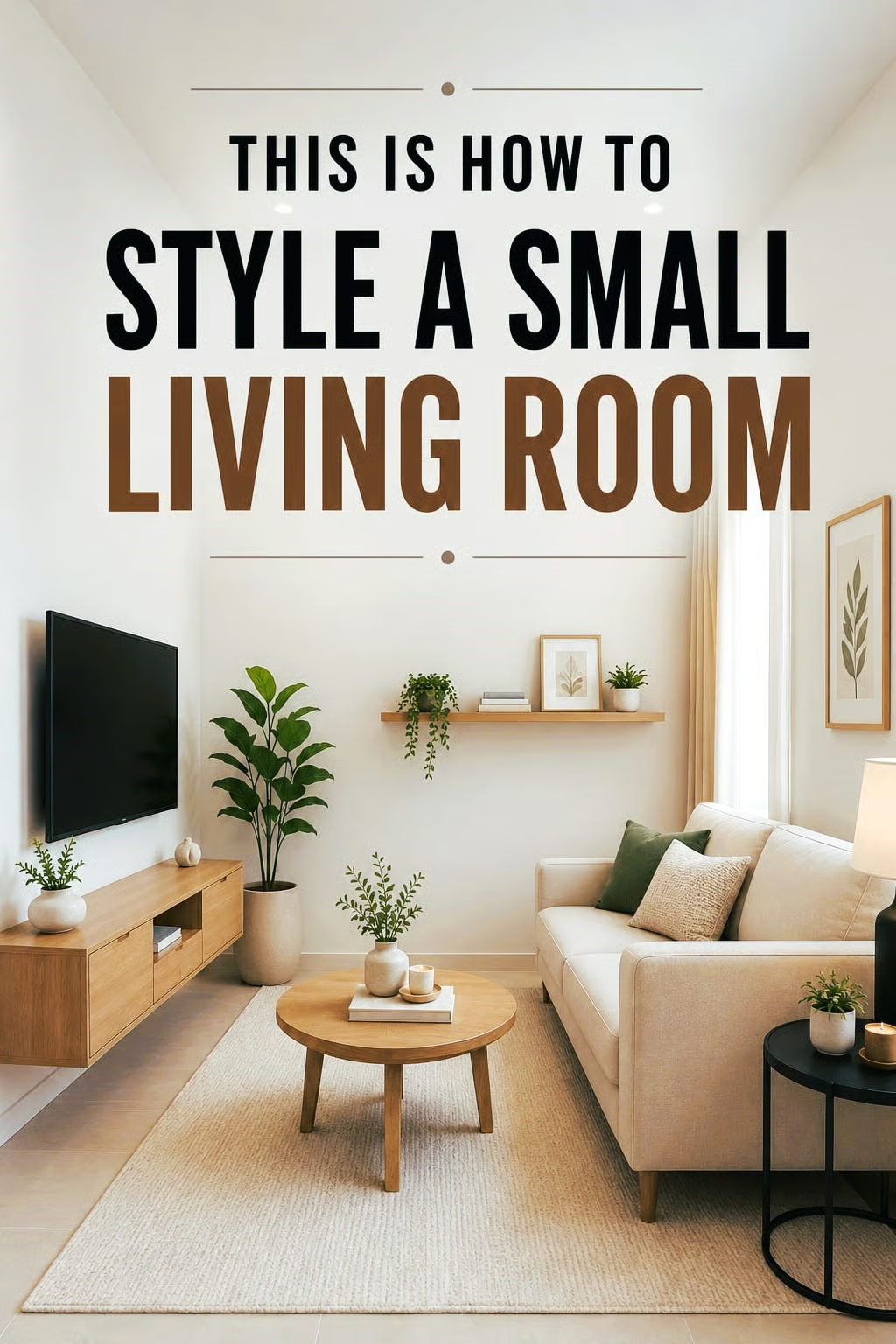
Most people think decorating a small living room means buying smaller things, so they choose a smaller sofa, a smaller rug, and smaller furniture. But that can make the room feel sparse rather than spacious.
The rooms that feel twice their size aren’t emptier. They’re simply more intentional about where the eye travels, how light moves, and what deserves attention.
What You’ll Learn
By the end of this guide, you’ll know how to:
- Arrange furniture to create more visual space
- Choose the right rug size
- Use colour and mirrors to open up the room
- Draw the eye upward with vertical elements
- Layer lighting without making the room feel busy
- Edit clutter without making the room feel empty
Why a Small Living Room Feels Smaller Than It Is
Start by identifying what’s making the room feel smaller. Small living rooms often feel claustrophobic because of specific, fixable issues, not simply because they lack square footage. Once you know what’s causing the problem, you can make the space feel larger without major renovations.
Here are the most common reasons:
a. Furniture pushed against every wall
Furniture pushed against every wall is usually the biggest culprit. Although it seems like it should create more space, it often makes the room feel more cramped because there’s no visual breathing room.
b. Visual clutter
Busy patterns, mismatched frames, and too many competing colours can make the room feel crowded even when there isn’t much furniture.
c. Poor lighting
Lighting plays a bigger role than most people realize. Poor lighting flattens the room, reduces depth, and makes the entire space feel smaller.
The good news is that none of these problems requires a renovation. Start with the layout, then work through lighting and clutter.
The Furniture Rule That Changes Everything
When sofas and chairs are pushed against every wall, the centre of the room often feels flat and disconnected. Although it seems like you’re creating more space, you’re actually reducing visual depth.
Even pulling a sofa 15–20 cm away from the wall can make a noticeable difference because that small gap creates separation, adds visual depth, and helps the layout feel more intentional.
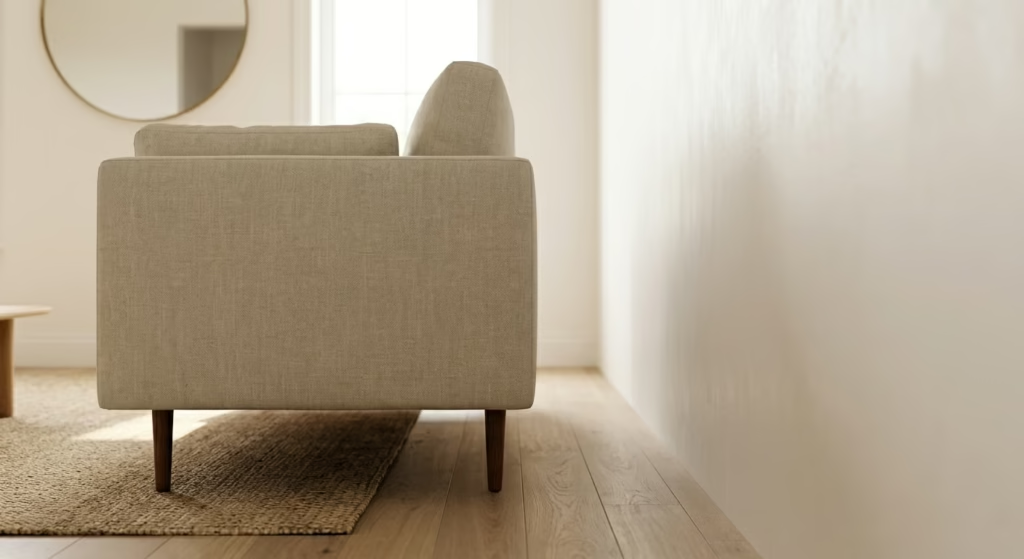
a. Choose furniture with legs
Sofas and chairs with visible legs create the illusion of more floor space because the eye can travel underneath them. As a result, the room feels lighter and more open. In contrast, bulky furniture that sits directly on the floor blocks sightlines and can make the room feel heavier than it is.
b. Choose one well-proportioned sofa
Too many small furniture pieces can make a room feel busy. A single well-proportioned sofa usually creates a stronger focal point and a calmer, more cohesive layout.
c. Avoid overcrowding the corners
Not every corner needs furniture. A bare corner with a tall floor lamp can feel intentional and elegant, whereas three pieces of furniture crammed into the same corner can make the room feel crowded and unplanned.
1. The Rug Size Mistake Most People Make
One of the most common mistakes when choosing a rug size is choosing one that’s too small.
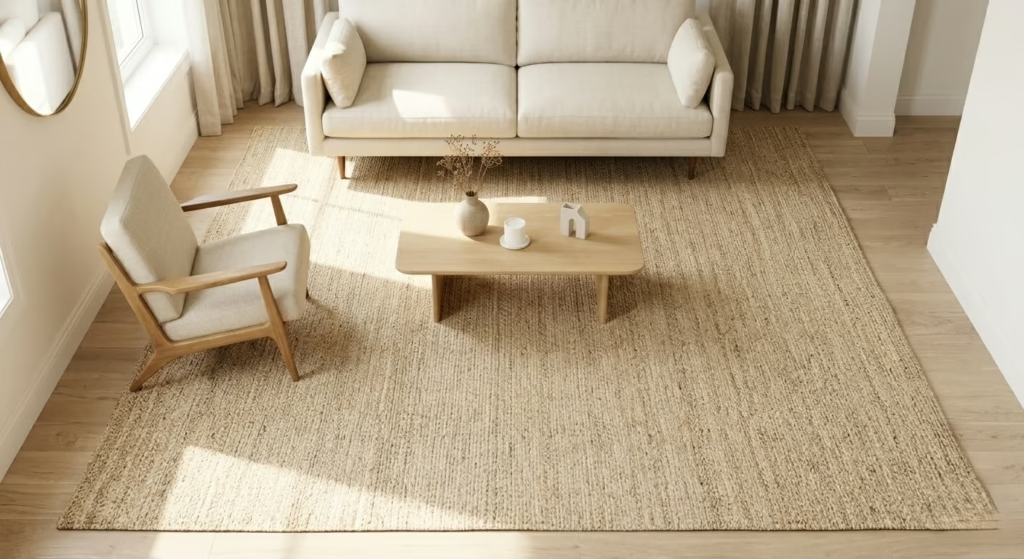
A small rug placed in the centre of the room breaks up the floor space and makes the room feel more fragmented. In contrast, a larger rug that fits at least the front legs of your main seating helps anchor the entire area and makes the room feel more connected.
As a rule, if you’re deciding between two rug sizes, choose the larger one because most people underestimate how much visual space a properly sized rug creates.
For small living rooms specifically, a light-coloured rug in cream, oat, or natural jute can help extend the floor visually. Dark rugs can work beautifully too, but they usually need more natural or layered lighting to keep the room feeling open.
Quick rug rule
| If your rug… | Try this |
|---|---|
| Sits completely under the coffee table | Size up |
| Only touches the centre of the seating area | Choose a larger size |
| Fits under the front legs of the main seating | You’re on the right track |
| Makes the seating look disconnected | Go one size larger |
2. Using Colour to Open a Room
Light colours reflect more light, which naturally helps a room feel brighter and more open. However, “light colours” doesn’t mean white walls and beige floors.
a. Use a tonal colour palette
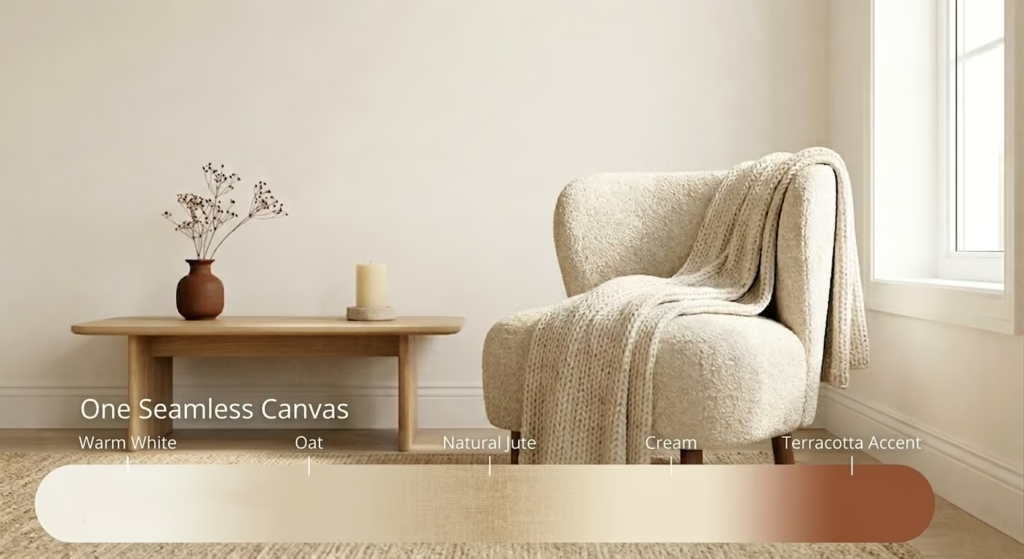
The strategy that works best for small living room design is a tonal palette where the walls, large furniture, and soft furnishings stay in the same colour family while varying in shade and texture. Think warm white walls, an oat linen sofa, a natural jute rug, and cream cushions with one terracotta accent. Every element is different, but they work together, so the room feels calm, cohesive, and easy on the eye.
If you’re choosing colours from scratch, our guide to the color palette for living room that makes any space look more expensive can help you build a palette that feels cohesive from the start.
b. Avoid dark accent walls
A dark accent wall can also work in a small room, but it needs enough light and visual breathing room. If the room is already dark or visually busy, keeping deeper colours to shelving, smaller furniture pieces, or architectural details is usually easier.
c. Make architectural details disappear
Painting the skirting boards and door frames the same colour as the walls is another easy way to reduce visual breaks. When architectural elements blend into the wall rather than standing out against it, the eye moves more easily through the room. As a result, the space feels taller, wider, and less visually busy.
3. Mirror Placement: What Actually Works
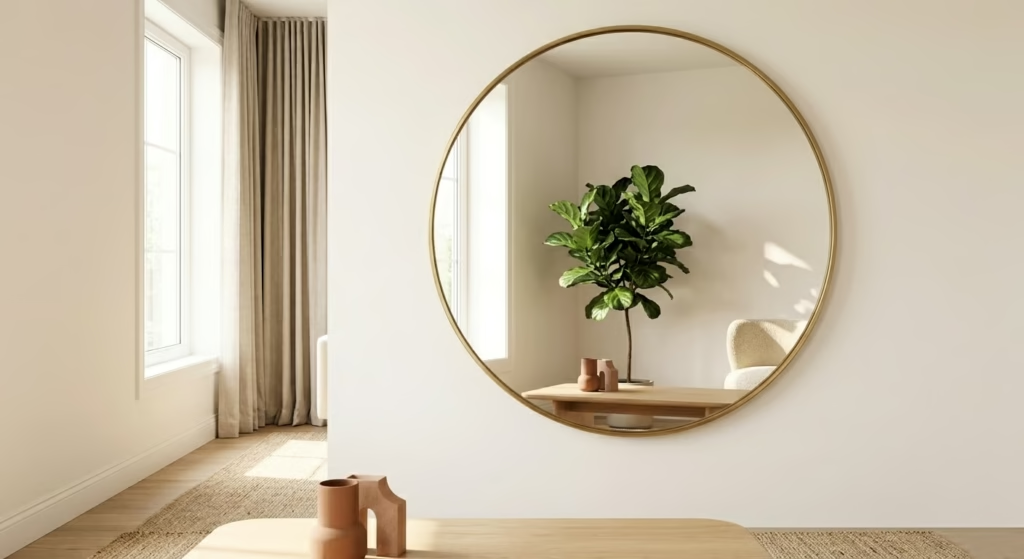
Mirrors can make a room feel larger, but only when they reflect something useful. A window, natural light, or an attractive part of the room can extend the view and make the space feel more open.
However, a mirror facing a blank wall adds much less visual depth. So before hanging one, look at what you’ll actually see in the reflection.
Mirror placement quick guide
| Mirror placement | What it can do |
|---|---|
| Opposite a window | Reflect more natural light |
| Adjacent to a window | Brighten the room visually |
| Facing an attractive feature | Repeat a part of the room worth seeing |
| Facing a blank wall | Usually adds less visual depth |
4. How to Use Vertical Space
Most people decorate their living room horizontally and leave the upper half of the room largely unused. As a result, they miss one of the easiest ways to make the space feel larger.
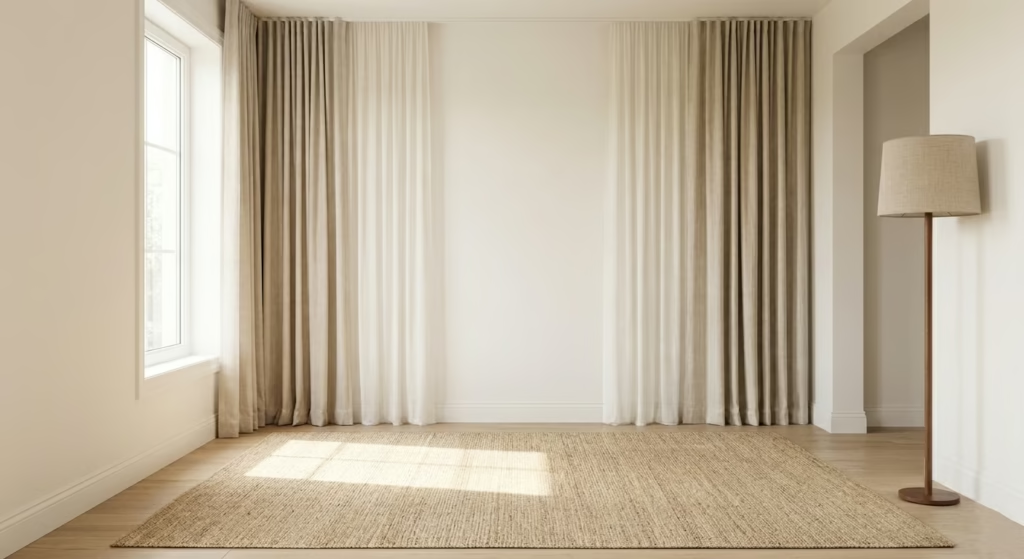
Drawing attention upward helps a room feel taller and more spacious regardless of its actual square footage. You don’t need high ceilings to use this principle. You simply need a few vertical elements.
Try using:
- Floor-to-ceiling shelving can make a room feel more architectural and substantial, even in a small flat, because the uninterrupted vertical lines naturally encourage the eye to travel upward.
- Tall floor lamps create a similar effect by drawing attention higher while also brightening the upper part of the room.
- Ceiling-height curtains can make the walls feel taller. When curtains extend from ceiling height all the way to the floor, the room feels noticeably taller regardless of where the actual window sits.
- Tall, narrow decor can use vertical space without taking up much floor area.
5. Lighting Ideas That Make Everything Else Work
No amount of good furniture arrangement or colour choice can overcome bad lighting.
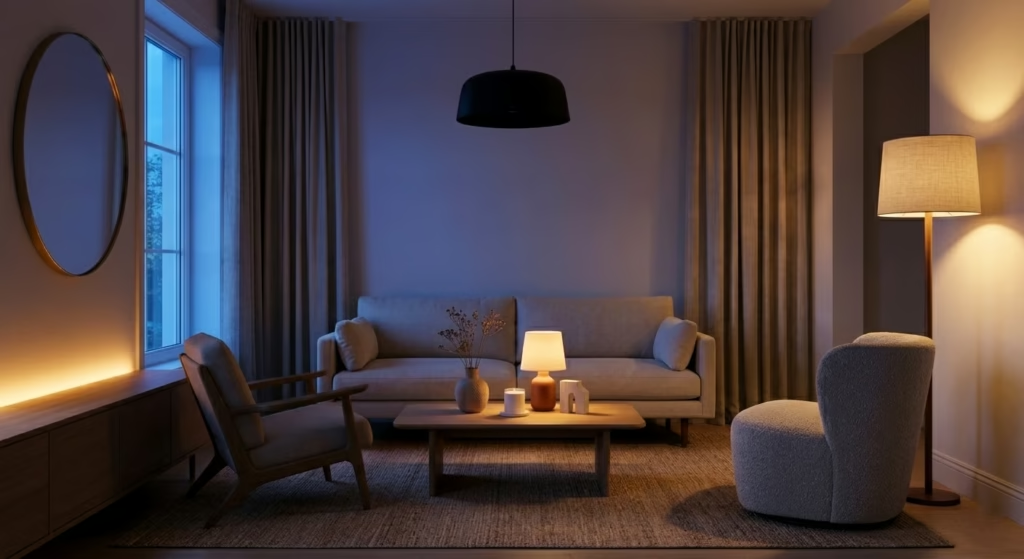
Layered lighting works better than relying on one overhead fixture to do all the work. A single ceiling light can flatten the room and make even a thoughtfully designed space feel less inviting.
Layer lighting for depth
The layered lighting approach is one of the most overlooked living room lighting ideas for smaller spaces:
| Layer | Purpose | Examples |
|---|---|---|
| Ambient | Overall background light | Ceiling lighting or recessed lighting on a dimmer |
| Task | Focused, functional light | Floor lamp beside a sofa or wall sconce near a chair |
| Accent | Atmosphere and visual interest | Table lamp, LED strip behind shelving, or candles |
When all three layers work together, the room gains depth, warmth, and visual contrast.
Decluttering Isn't Minimalism: It's Editing
The most beautiful living rooms aren’t empty because they’re carefully edited. One of the most common mistakes is assuming that adding more decorative objects will make a space feel finished. In reality, it usually creates visual noise.
Keep something because it serves a purpose or genuinely improves the room, not simply because it has always been there or because it feels wrong to let it go.
a. Keep Only What Adds Visual Value
Visual value could be a beautiful ceramic piece, a plant that adds life and height, or a single book with a striking cover on the coffee table. If your plants always feel random rather than intentional, our guide to plants for home decor explains the simple shift that changes how a room feels.
b. Remove Visual Clutter from Everyday Surfaces
The surfaces that tend to age poorly are coffee tables covered in remote controls and magazines, windowsills crowded with random objects, and shelves that have become a graveyard of things without a clear purpose.
c. Use the Three-Object Rule
☐ One natural element, such as a plant
☐ One useful or functional object
☐ One decorative piece with visual interest
If the surface still feels busy, remove one more thing. This isn’t about living with less. It’s about letting what stays actually breathe.
The Material Trick That Makes a Room Feel More Expensive
A room that uses too many different materials can feel visually busy regardless of its size.
In a small living room, material consistency is especially important because repeated materials create a sense of cohesion. For example, if your coffee table has warm wood tones, repeat that same finish somewhere else in the room, such as a shelf, lamp base, or picture frame. Likewise, if you use brushed brass in a lamp, carrying that same metal finish into a candle holder or door handle helps the space feel more intentional.
The goal isn’t perfect matching. Think repetition instead: repeat two or three materials across different pieces so the room feels connected.
A good rule is to choose two or three core materials and use them consistently. Natural wood, linen, ceramic, and one metal finish are often enough to create a balanced, cohesive room.
Start With These High-Impact Changes
If you’re reading this and your living room needs attention, start with these three changes before anything else:
a. Move your sofa off the wall
Even 15 cm can make a noticeable difference, and the shift in how the room feels is often immediate.
b. Add a floor lamp in a dark corner
A floor lamp adds both vertical height and warm light, which can do more for a room’s atmosphere than a fresh coat of paint.
c. Edit one surface completely
Clear a coffee table, windowsill, or shelf, and then put back only three things. Live with it for a week and notice how much calmer and more intentional the room feels.
Many small room decorating ideas focus on adding more furniture or accessories. But the biggest changes usually come from better layout, better lighting, and less visual clutter. You probably don’t need more things. You need the things you already have to work better together.
If this helped you think about your space differently, save it for later. Whether you’re looking for small apartment living room ideas, small space living room ideas, or more guidance on decorating a small living room, explore more interior guides on Veynora.
FAQ
What colours make the room look bigger?
Light, tonal colours like warm white, oat, cream, and soft beige can make a small living room feel brighter and more open. Keeping the walls and larger furniture in the same colour family also helps the eye move through the room without too many visual breaks.
What size rug should I use?
Choose a rug large enough for at least the front legs of your main seating to sit on it. A rug that is too small can make the seating area feel disconnected. If you’re between two sizes, go larger.
Should I push furniture against the wall?
Not necessarily, pulling the sofa around 15–20 cm away from the wall can create more visual depth and make the layout feel less cramped. You don’t need to leave a large gap.
How many light sources does the room need?
Aim for at least three layers of light: ambient, task, and accent. You don’t necessarily need three separate fixtures, but combining different types of lighting helps prevent the room from feeling flat.
How do I make the room feel expensive on a budget?
Start with the layout rather than buying more decor. Move the sofa slightly away from the wall, add warm lighting to a dark corner, and clear one busy surface. These small changes can make the room feel more considered without requiring a full makeover.